Consignment held at port or ICD
Household goods or unaccompanied baggage held for examination, pending documents or a valuation query, while demurrage keeps running.

When a customer’s household goods are held at the port, the call comes to you. Aidwish works behind international movers and relocation firms to resolve transfer-of-residence and baggage clearances, valuation disputes, penalties and appeals — so shipments move and your customers stay happy.
Packers and movers usually clear household goods through their customs broker, but when customs holds a consignment, disputes its value, questions transfer-of-residence eligibility or proposes a penalty, the matter becomes legal. Aidwish reviews the inventory and documents against the Baggage Rules, 2026, prepares replies to show-cause notices, represents at personal hearings and files appeals — for movers and for their customers, across Indian ports and air cargo terminals.
An international move looks simple to a customer: pack the house, ship the container, receive it at home. In reality the shipment passes through a customs examination where an officer checks the inventory, the passenger’s eligibility and the value of every article. When anything does not match — a new television in a list of used goods, a missing document, a claim to transfer-of-residence benefits that the officer does not accept — the consignment is held. The customer rarely sees the customs officer. They see the mover.
That is why customs clearance for packers and movers is as much about risk management as paperwork. Every day a container waits, demurrage and detention charges grow. If the customer refuses to pay those charges or blames the mover for the delay, the dispute moves from the port to your office and, often, to online reviews. A single badly handled clearance can cost a moving company more than the margin on ten smooth ones.
Most movers rely on a customs broker to file the declaration, and that is the right starting point. But a broker’s job is filing and facilitation. When customs issues a show-cause notice, proposes confiscation, imposes a redemption fine or a penalty, or rejects a transfer-of-residence claim, the matter needs someone who can read the Customs Act, argue a valuation, draft a reply that will stand up in appeal and represent the case at a personal hearing. That is the gap Aidwish fills.
The Baggage Rules, 2026 came into force on 2 February 2026 and replaced the Baggage Rules, 2016. Transfer-of-residence benefits have been rationalised into a single list of duty-free articles with an overall value cap that depends on how long the person lived abroad, and a new set of Customs Baggage (Declaration and Processing) Regulations, 2026 now governs how baggage — including unaccompanied baggage — is declared and processed. Movers who still brief customers using the old 2016 slabs are setting them up for surprises at the port. We help you update your pre-move checklists and customer communication to the current rules.
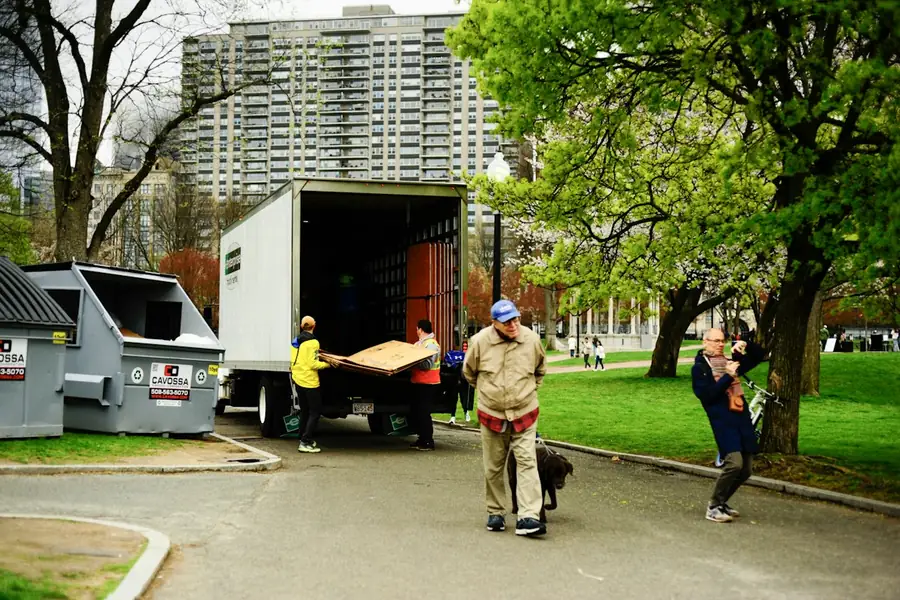
Retainer or case-by-case support when a customer’s shipment is held, valued or penalised.
Explore
Transfer-of-residence eligibility checks before the container is packed, not after it lands.
Explore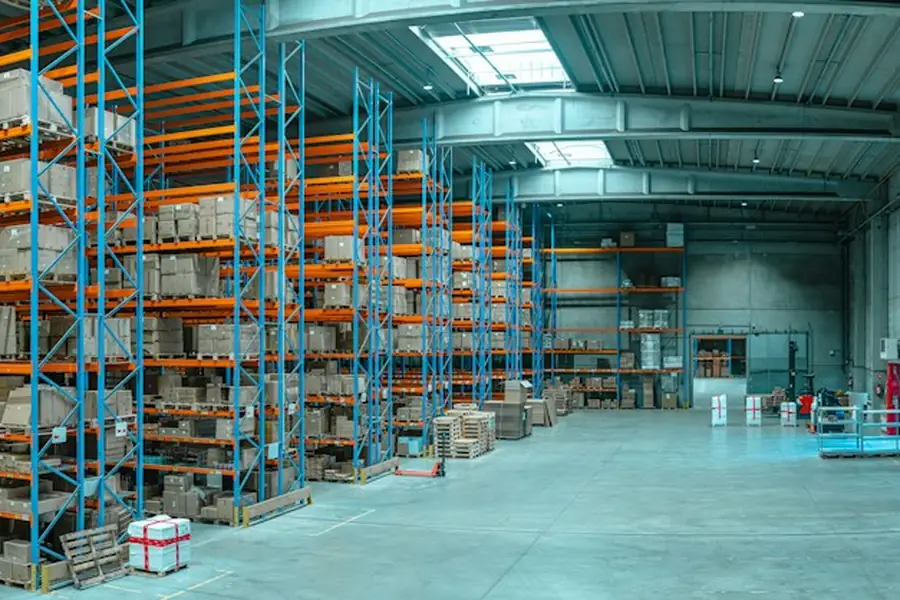
Legal back-up when a routine clearance turns into a show-cause notice or an appeal.
ExploreEach of these can be handled — the earlier we see the documents, the more options there are.
Household goods or unaccompanied baggage held for examination, pending documents or a valuation query, while demurrage keeps running.
The officer disputes how long the passenger lived abroad, their stay in India in the qualifying period, or whether an article qualifies for TR benefit.
Customs assesses used furniture, appliances or electronics at a higher value than declared, pushing the duty well above the customer’s budget.
New items in a ‘used goods’ inventory, undeclared electronics, gold or restricted articles leading to proposed confiscation and penalty.
Items needing a licence or NOC, or goods that cannot be imported at all, discovered at examination — with the option of re-export or abandonment.
Port, CFS and shipping-line charges that pile up during a dispute, and the question of who pays when the delay was not the customer’s fault.
Trucks carrying used household goods detained on the highway over e-way bill or document questions, with a demand for tax and penalty.
The customer refuses to pay duty or charges, or claims the mover misinformed them — we help document the advice given and resolve it.
A demand or show-cause notice issued weeks or months after the goods were delivered, alleging short-payment or wrong exemption.
The points below are the ones that decide most baggage and household-goods disputes.
Limits, timelines and rates change through notifications. We confirm the current CBIC notification and circulars for every case before advising — this page is general information, not legal advice for a specific matter.
Send the inventory, bill of lading or airway bill, passenger details and any notice or order received.
We assess eligibility, likely duty, penalty risk and the realistic options — and tell you plainly.
We prepare the declaration support, valuation basis or reply, and agree the approach with you and the customer.
We represent the matter before customs — hearing, adjudication and, if needed, appeal.
Once released, we document what went wrong and update your checklist so it does not recur.
Customs problems rarely start at the port. They start when an inventory is prepared in a hurry, when a customer is told something that is no longer true under the 2026 rules, or when a new appliance is listed as used. Fixing these upstream is cheaper than fighting them downstream.
We work with moving companies on a retainer or case basis. Your team gets a direct line to a customs and GST advisor, your customers get clear answers, and you get a documented record that protects you if a customer later disputes who was responsible.

Devendra Yadav advises on customs, DRI and GST litigation alongside business law — so a held consignment, a penalty notice and the commercial dispute that follows are handled as one matter, not three.
International movers normally clear household goods through a licensed customs broker, and that works for routine shipments. When customs holds the goods, disputes the value, rejects a transfer-of-residence claim or issues a show-cause notice, the matter needs legal representation — that is where Aidwish supports the mover and the customer.
Transfer of residence (TR) allows eligible persons shifting to India to clear specified personal and household articles duty-free, within an overall value cap linked to how long they lived abroad. The Baggage Rules, 2026 replaced the 2016 rules from 2 February 2026, so eligibility should be checked against the current rules before the container is packed.
Customs may hold goods for examination, documents, a valuation query or suspected misdeclaration. If it proposes confiscation or penalty, it issues a show-cause notice. A documented reply and representation at the personal hearing usually decide whether the goods are released on duty, released on a redemption fine, or confiscated.
Yes. Misdeclared or undeclared goods can be held liable to confiscation under Section 111 of the Customs Act, with penalty under Section 112 and, for false declarations, Section 114AA. In most cases the owner is given an option to redeem the goods on payment of a redemption fine under Section 125.
File an appeal before the Commissioner (Appeals) under Section 128 within 60 days of the order, with a pre-deposit of 7.5% of the duty or penalty in dispute. A further appeal lies to CESTAT within three months, with a 10% pre-deposit.
Used personal and household effects are generally exempt from the e-way bill requirement under the GST rules. Movers should still carry the inventory, the customer’s ID and address proof and a declaration that the goods are used personal effects; this prevents most highway detentions.
Our head office is in Aliganj, Lucknow, but customs matters are handled across India — sea ports, inland container depots and air cargo terminals — with documents and hearings managed remotely or in person as the case needs.
Share the notice, order or situation in brief. We review it and call you back, in Hindi or English.
Not sure where to start? Talk to an Aidwish expert at no cost and get a clear, step-by-step plan for your business.