Duty deferment on inputs
Basic customs duty and IGST on imported raw material are deferred until finished goods are cleared to the domestic market.
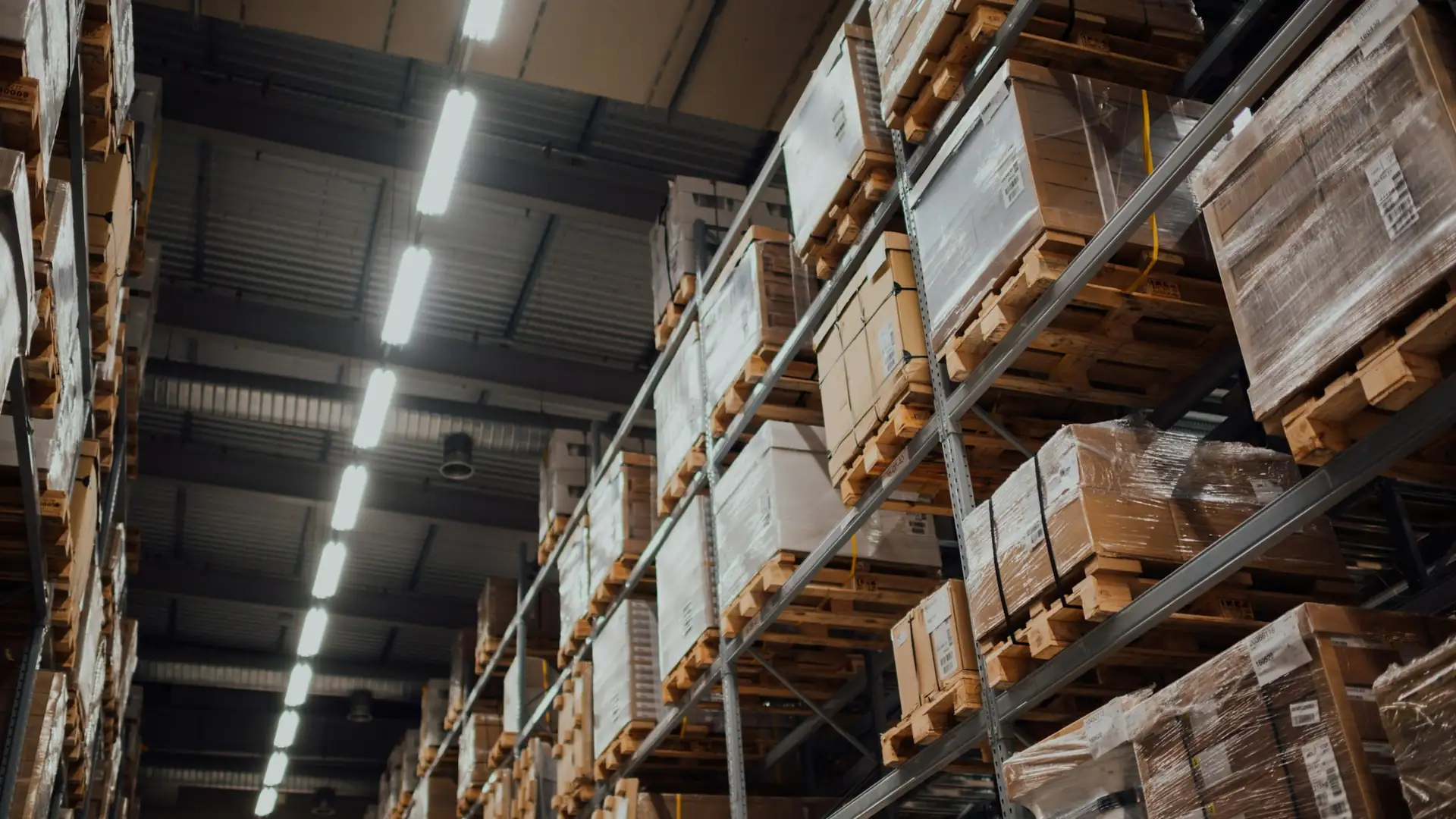
Import raw material and capital goods without paying customs duty upfront. Aidwish handles your MOOWR application — Section 58 warehouse licence and Section 65 permission together on ICEGATE 2.0 — and sets up the records that keep you compliant after approval.
MOOWR (Manufacturing and Other Operations in Warehouse Regulations, 2019) lets a unit manufacture inside a customs bonded warehouse and defer import duty on inputs and capital goods. Duty is paid only when goods are cleared into the Indian market, and duty on inputs used in exported goods is remitted. Since CBIC Circular 28/2025, the Section 58 licence and Section 65 permission are applied for together on ICEGATE 2.0. Aidwish prepares the application, bond and record systems.
MOOWR stands for Manufacturing and Other Operations in Warehouse Regulations, 2019, framed under Section 65 of the Customs Act, 1962. It allows a business to carry out manufacturing and other operations inside a private bonded warehouse licensed under Section 58. Imported inputs and capital goods brought into the warehouse are not charged customs duty at the time of import; the duty is deferred.
When finished goods made in the warehouse are cleared for the domestic market, duty becomes payable on the imported inputs used in them. When the finished goods are exported, the duty on those inputs is remitted — it is never paid. Imported capital goods attract duty only if and when they are cleared out of the warehouse. There is no export obligation and no restriction on location: a MOOWR unit can sell everything in India, export everything, or do both.
For manufacturers in Uttar Pradesh who import machinery or a significant share of raw material — electronics and electrical goods, engineering, pharma, packaging, textiles and food processing — the cash-flow benefit can be substantial. Money that would otherwise sit in customs duty and IGST until sales happen stays in the business.
Through Circular No. 28/2025-Customs dated 15 November 2025, CBIC launched an online module on ICEGATE 2.0 for permissions under Section 65. The module offers a combined route for the Section 58 private warehouse licence and the Section 65 MOOWR permission, replacing the earlier route through the Invest India portal and manual filing with the jurisdictional commissionerate. Applications now need to be prepared for the online workflow, including the documents, site plan and declarations it asks for.
Basic customs duty and IGST on imported raw material are deferred until finished goods are cleared to the domestic market.
Imported machinery used in the warehouse attracts duty only if it is cleared out — often never, for long-life plant.
Duty on imported inputs used in exported goods is remitted, without a separate refund or drawback claim.
Unlike some export schemes, there is no minimum export requirement; domestic sales are fully allowed.
The unit can be anywhere, not only in an SEZ or notified zone, subject to the warehouse licence.
Lower upfront tax outflow can reduce working-capital loans and interest costs.
MOOWR procedures are set by the Regulations and CBIC circulars, which are revised from time to time. We confirm the current circulars and portal requirements for every application.
MOOWR is powerful, but not for everyone. These are the questions we test before recommending it.
Every imported item must be tracked from receipt to use and clearance. Weak inventory systems lead to demands and penalties.
If imports are a small part of your cost, the cash-flow benefit may not justify the compliance effort.
Duty is deferred, not waived, for domestic sales; pricing and costing must reflect when it becomes payable.
A three-times-duty bond and customs oversight need to be planned with your finance team.
We study your imports, sales mix and premises, and estimate the benefit.
We collect documents, prepare the site plan and draft the bond.
We file the combined application on ICEGATE 2.0 and track it.
We support you through premises verification and queries.
We set up records and train your team for the first warehoused imports.
Most MOOWR advisors sit in Delhi, Mumbai or Chennai. Aidwish works from Lucknow with manufacturers across Uttar Pradesh — in Lucknow, Kanpur, Unnao, Barabanki, Noida and the industrial corridors — and supports units anywhere in India.
Because we also handle customs litigation, GST, MSME finance and subsidies, we look at MOOWR as part of your full cost structure, not as a standalone licence.
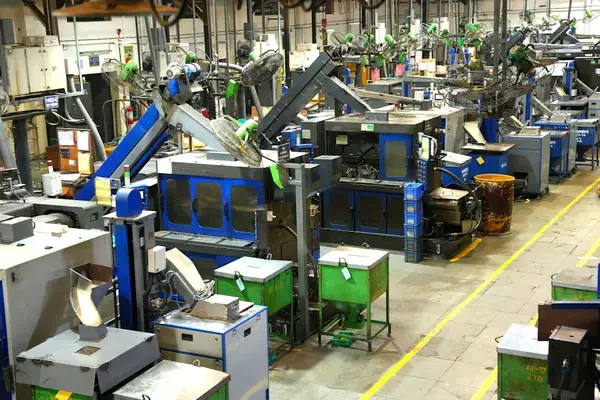
Several schemes reduce or defer duty on imported inputs. The right one depends on your export share, location and compliance appetite.
We compare the options against your real import and export numbers before recommending a route.
Once approved, imported goods arrive under a warehousing bill of entry and move to your premises under bond. From then on, the unit maintains a running record of every receipt, issue to production, waste, finished goods produced and every clearance — whether to the domestic market on payment of duty or abroad as an export. Customs relies on these records instead of posting an officer at the gate, which is why their accuracy is the heart of MOOWR compliance.
Domestic clearances are made on an ex-bond bill of entry with duty calculated on the imported inputs contained in the goods cleared. Exports go out on a shipping bill with the duty on the inputs remitted. Periodic returns are filed, and the records are open to audit. Most problems we see in MOOWR units are not about the law — they are about inventory systems that cannot show where an imported item went. We design the record formats and ERP mapping with your team before the first import arrives.

Devendra Yadav advises on customs, warehousing and export incentives together with GST and finance, so MOOWR is planned around your real numbers and compliance capacity.
MOOWR stands for Manufacturing and Other Operations in Warehouse Regulations, 2019. The scheme operates under Section 65 of the Customs Act, 1962, read with a private warehouse licence under Section 58.
Since CBIC Circular No. 28/2025-Customs dated 15 November 2025, applications are filed online on the ICEGATE 2.0 module, which provides a combined route for the Section 58 private warehouse licence and the Section 65 permission. The jurisdictional customs authority examines the application and may verify the premises before approval.
Import duty on inputs and capital goods is deferred until goods are cleared into the domestic market, duty on inputs used in exported goods is remitted, and there is no export obligation or location restriction. The main gain is working capital that would otherwise be locked in duty.
MOOWR requires strict record-keeping of every imported item, a bond of three times the duty involved and customs oversight. Duty is deferred, not waived, on domestic sales. For businesses with a small import share, the compliance effort may outweigh the benefit.
Yes. Imports into the warehouse are not charged customs duty, including IGST, at the time of import; duty becomes payable when the goods or the finished products using them are cleared for home consumption.
Yes. There is no export obligation. Finished goods can be cleared to the domestic market on payment of duty on the imported inputs used in them.
Yes. Aidwish is based in Lucknow and works with manufacturers across Uttar Pradesh, and supports MOOWR units anywhere in India.
Share the notice, order or situation in brief. We review it and call you back, in Hindi or English.
Not sure where to start? Talk to an Aidwish expert at no cost and get a clear, step-by-step plan for your business.