Importers and distributors
Bulk imports sold over several months, where paying duty upfront ties up capital.
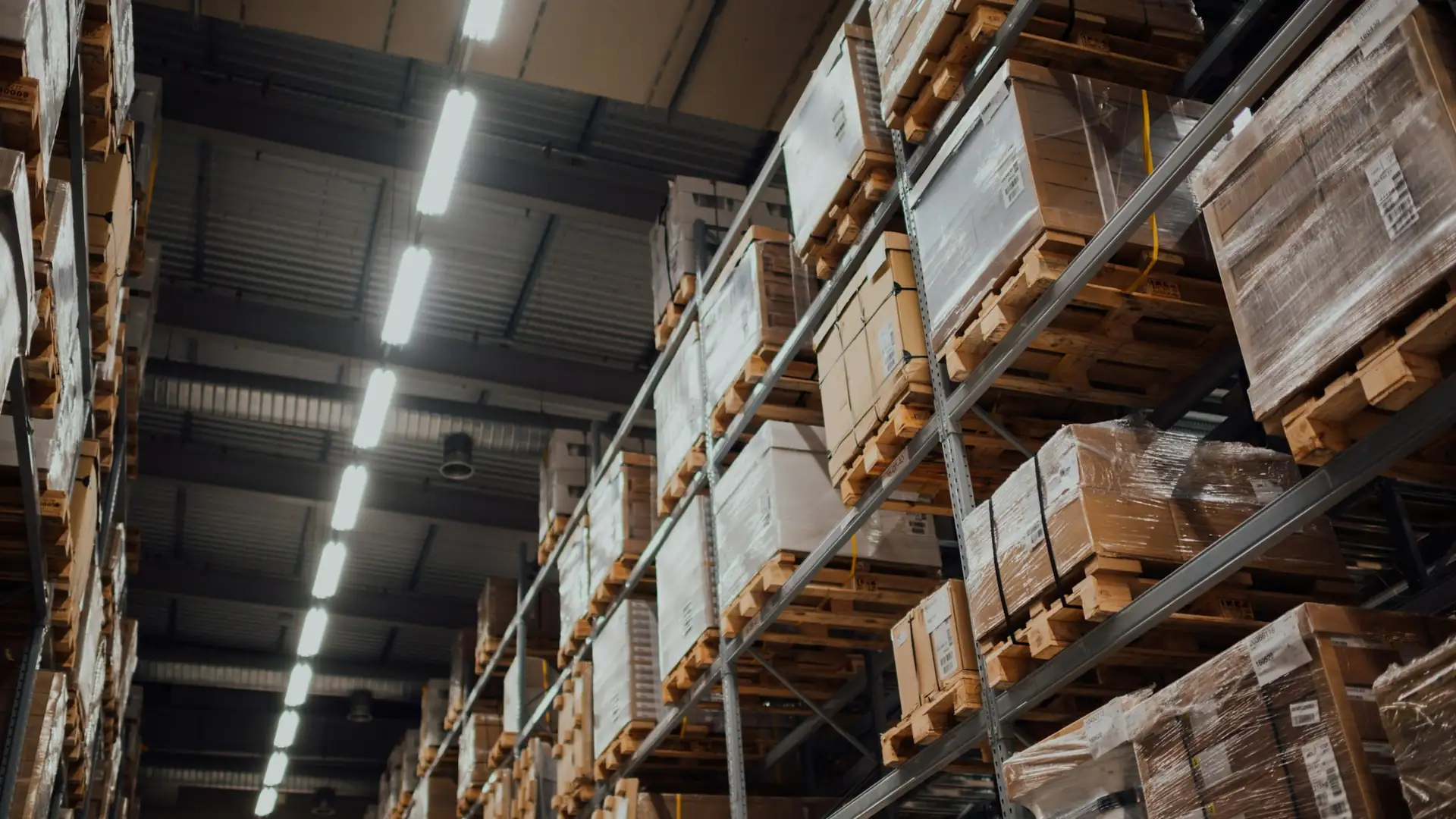
Store imported goods in your own customs-bonded warehouse and pay duty only when you clear them for sale. Aidwish handles the licence application, bond, premises readiness and the ongoing records that keep the licence safe.
A private bonded warehouse licence under Section 58 of the Customs Act lets an importer store its own imported goods without paying customs duty at import. Duty is paid when goods are cleared for home consumption (ex-bond), and goods can also be re-exported without duty. The licence is governed by the Private Warehouse Licensing Regulations, 2016 and is now applied for online on ICEGATE 2.0. If you also want to manufacture inside the warehouse, you need MOOWR permission under Section 65 as well.
Customs law allows imported goods to be “warehoused” instead of being cleared immediately. Warehoused goods sit under customs bond: duty is assessed but not paid, and it becomes payable only when the goods are taken out for use or sale in India. Goods can also be re-exported from the warehouse without paying Indian duty at all.
There are three kinds of licensed warehouses. Public warehouses under Section 57 store goods for any importer and are usually run by logistics providers. Private warehouses under Section 58 store only the licensee’s own goods. Special warehouses under Section 58A are for specified goods such as gold or duty-free shop stock. For most traders and distributors who import regularly and sell over months, a private warehouse under Section 58 is the practical choice.
The benefit is timing. Instead of paying customs duty and IGST on a full container at import, you pay as you sell. For importers of seasonal stock, spare parts, consumer goods or industrial supplies, that can free a large amount of working capital.
A Section 58 licence is enough to store goods. If you want to manufacture or carry out other operations — assembly, processing, packing — on warehoused goods, you also need permission under Section 65 under the MOOWR Regulations. Since CBIC Circular 28/2025, both can be applied for together on ICEGATE 2.0. We help you decide which route fits your business.
Procedures and periods are set by the Customs Act, the Regulations and CBIC circulars, which are revised from time to time. We check the current position for every application.
Bulk imports sold over several months, where paying duty upfront ties up capital.
Stock imported ahead of a season and cleared as orders come in.
Large spares inventory where only a fraction moves each month.
Goods that may be sent abroad again, where duty would otherwise be paid and reclaimed.
Equipment for projects cleared in stages as sites become ready.
Traders planning to add processing later, who can extend to MOOWR.
We study your imports, sales cycle and premises.
We prepare documents, site plan and bond drafts.
We file the application on ICEGATE 2.0.
We support you through queries and premises verification.
We set up records and support your first warehoused imports.
Goods intended for warehousing are declared on a warehousing bill of entry at the port of import. Duty is assessed but not paid, and the goods move to your licensed warehouse under bond. On arrival they are recorded as received, and from that point the warehouse records must show their location and balance at all times.
When you sell in India, you file an ex-bond bill of entry for the quantity you are taking out and pay the duty then, along with any interest that applies. When goods are sent abroad, they are cleared for export without paying Indian duty. Partial clearances are normal, which is what gives the warehouse its cash-flow advantage: you pay only for what you take out.
The most common problems are records that do not match physical stock, goods removed without an ex-bond clearance, goods left in the warehouse beyond the permitted period without action, and damaged or missing goods not reported in time. Each can lead to a duty demand with interest and, in serious cases, penalty and cancellation of the licence. A short monthly reconciliation and a clearance calendar prevent almost all of them — we set both up as part of licensing.

Devendra Yadav advises importers and manufacturers on customs warehousing, MOOWR and disputes, alongside GST and finance, so the licence fits the way your business actually buys and sells.
It is a warehouse licensed under Section 58 of the Customs Act, 1962 in which an importer stores its own imported goods without paying customs duty at the time of import. Duty is paid when goods are cleared for home consumption, and goods can be re-exported without duty.
A public warehouse under Section 57 stores goods of any importer and is usually run by a logistics provider. A private warehouse under Section 58 stores only the licensee’s own goods. A special warehouse under Section 58A is for specified goods such as gold or duty-free stock.
The Private Warehouse Licensing Regulations, 2016, framed under the Customs Act, together with CBIC circulars on warehousing procedure and the ICEGATE 2.0 online module.
Yes. A bond under Section 59 is executed for an amount equal to three times the duty assessed on the goods to be warehoused, in the prescribed format.
Only with permission under Section 65 under the MOOWR Regulations, 2019. Since CBIC Circular 28/2025, the Section 58 licence and Section 65 permission can be applied for together on ICEGATE 2.0.
Goods can remain warehoused for the period allowed under Section 61 of the Customs Act, which differs by type of goods and unit. Interest and other consequences can arise if goods remain beyond the permitted period, so clearance planning matters.
Share the notice, order or situation in brief. We review it and call you back, in Hindi or English.
Not sure where to start? Talk to an Aidwish expert at no cost and get a clear, step-by-step plan for your business.